How Mindfulness Reduces Anxiety: Science-Backed Techniques
Your heart’s pounding. Thoughts won’t stop racing. That familiar anxiety feeling hits your chest like a brick. But here’s the thing – what if the same mind creating all this chaos could actually help you find peace? Sounds too good to be true, right?
Anxiety’s everywhere these days. I mean, nearly 40 million adults in the US deal with anxiety disorders. It’s basically the most common mental health issue we’ve got. But there’s this ancient practice that modern science is getting pretty excited about: mindfulness.
And no, this isn’t just another wellness fad. Scientists have been studying this stuff in labs and hospitals for decades now. The results? Pretty amazing, honestly.
What Happens in Your Brain When Anxiety Hits
Let’s talk about what’s actually going on upstairs when you’re freaking out. Think of your brain like a house with different roommates. You’ve got the logical guy upstairs (that’s your prefrontal cortex) who likes making plans and solving problems. Then there’s this really paranoid neighbor in the basement (your amygdala) who thinks everything is dangerous.
When anxiety kicks in, it’s like the basement neighbor pulled the fire alarm because someone burned toast. This alarm system worked great when our ancestors had to worry about actual tigers, but it can’t tell the difference between real danger and worrying about whether your boss liked your presentation.
So what happens? Your body gets flooded with stress hormones, your heart goes crazy, and that rational part of your brain basically gets kicked out of the driver’s seat.
Dr. Sara Lazar at Massachusetts General Hospital did some pretty cool research on this. She found that people who practice mindfulness meditation actually show physical changes in their brains. After just two months of practice, people had more gray matter in the learning and memory areas, and less in the anxiety center.
We’re talking actual brain rewiring here. Not just feeling better – your brain literally changes.

What Is Mindfulness Anyway?
Mindfulness comes from Buddhist traditions, but now doctors and scientists study it all the time. It’s really simple on the surface: just paying attention to right now without judging it. But man, this simple thing packs a punch.
Dr. Jon Kabat-Zinn (the guy who brought mindfulness into hospitals) explains it as “awareness that comes from paying attention, on purpose, in the present moment, without judging.” Sounds basic, but the effects are real.
There was this big study in JAMA Psychiatry that looked at 47 different trials with over 3,500 people. They found that mindfulness programs work about as well as antidepressants for reducing anxiety and depression. Except without all those side effects.
How Mindfulness Actually Fights Anxiety
Stopping the Worry Spiral
You know that thing where you start with one worried thought and suddenly you’re planning your life as a homeless person? That’s rumination, and anxiety absolutely loves it.
Mindfulness breaks this cycle by teaching you to watch your thoughts instead of getting dragged along by them. Instead of being the anxious thought, you become the person noticing the anxious thought. Game changer.
Dr. Mark Williams from Oxford calls this “metacognitive awareness” – basically thinking about your thinking. When you can step back and observe your mental patterns without getting sucked in, they lose their power over you.
Flipping Your Body’s Switch
There’s this thing called the “relaxation response” that’s basically the opposite of fight-or-flight. Dr. Herbert Benson discovered it back in the day. When you practice mindfulness, you trigger this response. Your heart slows down, blood pressure drops, stress hormones chill out.
Brain scans show that mindfulness meditation turns on your parasympathetic nervous system – the “rest and digest” mode. This is where your body naturally heals and restores itself. It’s like anxiety’s kryptonite.
Getting Your Brain’s CEO Back in Charge
Your prefrontal cortex is like your brain’s CEO – it handles emotions, makes decisions, keeps things rational. When anxiety hits, this CEO gets fired and your emotional impulses take over.
Mindfulness strengthens the CEO while calming down that paranoid basement neighbor (the amygdala). Dr. Judson Brewer at Yale found that people who meditate regularly have stronger connections between their prefrontal cortex and other brain areas. They stay emotionally stable even when stuff gets stressful.
Staying in the Present
Here’s the thing about anxiety – it’s all about time travel. You’re either reliving past mistakes or imagining future disasters. But right now, in this moment, you’re probably okay.
Mindfulness keeps you anchored in the present, where anxiety doesn’t have much to work with. Like Eckhart Tolle says, the present moment is really all you’ve got.
Techniques That Actually Work (According to Science)
The STOP Method: Panic Button for Anxiety
When anxiety hits hard and fast, try this:
S – Stop whatever you’re doing T – Take a deep breath O – Observe what’s happening in your head and body P – Proceed with awareness
Researchers at University of Wisconsin tested this and found it interrupts the anxiety spiral. Instead of just reacting, you get to choose how to respond.
Box Breathing: Navy SEAL Calm
Navy SEALs use this to stay cool under pressure. It activates your vagus nerve, which basically tells your nervous system “we’re safe now.”
Here’s how:
- Breathe in for 4 counts
- Hold for 4 counts
- Breathe out for 4 counts
- Hold empty for 4 counts
- Do this 4-8 times
Studies show this can drop your cortisol (stress hormone) levels by 25% pretty quickly.
The 5-4-3-2-1 Technique: Reality Check
This pulls you out of anxious thoughts and into your actual surroundings:
- 5 things you can see
- 4 things you can touch
- 3 things you can hear
- 2 things you can smell
- 1 thing you can taste
Trauma therapists developed this, and it works because it overloads your brain’s worry circuits with sensory information.
Body Scan: Tuning Into Yourself
This helps you notice anxiety’s physical warning signs before they get out of hand.
Start at your toes and slowly move your attention up through each body part. Just notice what’s there – tension, warmth, tingling, whatever. When you find tight spots, breathe into them and let them soften naturally.
Stanford researchers found that people doing regular body scans reduced their anxiety symptoms by 58% after two months.
Loving-Kindness: Being Nice to Yourself
A lot of anxiety comes from being harsh with yourself. This practice builds self-compassion, which research shows works better than self-esteem for emotional health.
Start by sending yourself kind wishes: “May I be happy, may I be healthy, may I be at peace.” Then extend these to people you love, neutral people, difficult people, and everyone everywhere.
Dr. Richard Davidson at University of Wisconsin found this increases positive emotions and social connection while reducing anxiety.
Walking Meditation: Moving Mindfulness
Sometimes sitting still makes anxiety worse. Walking meditation combines gentle movement with awareness, and the bilateral movement naturally calms your nervous system.
Walk slowly and pay attention to your feet touching the ground, your steps’ rhythm, air moving around you. When thoughts show up, just come back to the physical feeling of walking.
Studies show just 10 minutes of mindful walking can reduce anxiety as much as anti-anxiety medication.
Building Your Own Practice
Start Small
Five minutes every day beats one hour once a week. Your “mindfulness muscle” needs consistent training, not marathon sessions.
Make It a Habit
MIT research shows habits form through repetition in the same context. Pick the same time and place for practice. Your brain will start expecting it, making it easier to stick with.
Track Your Progress
Rate your anxiety 1-10 before and after practice. This self-monitoring can improve results by 40%. Notice patterns – which techniques work best? What times work for you?
Long-Term Benefits
The immediate anxiety relief is great, but the long-term benefits keep building:
- You bounce back faster from stressful stuff
- Your focus gets stronger and mental chatter quiets down
- Relationships improve because you’re more present and empathetic
- Physical health gets better – lower blood pressure, stronger immune system, better sleep
Dr. Elizabeth Hoge’s research shows people maintain anxiety reduction for at least six months after mindfulness training, with many reporting permanent changes.
Living Mindfully Beyond Formal Practice
The real goal isn’t becoming a meditation expert – it’s living mindfully:
- Eat without multitasking and actually taste your food
- Listen to people without planning what you’ll say next
- Take conscious breaks from phones and devices
- Use commute time for breathing instead of worrying

Living Mindfully Beyond Formal Practice
The real goal isn’t becoming a meditation expert – it’s living mindfully:
- Eat without multitasking and actually taste your food
- Listen to people without planning what you’ll say next
- Take conscious breaks from phones and devices
- Use commute time for breathing instead of worrying
Common Roadblocks (And How to Handle Them)
“I Can’t Stop My Thoughts”
You’re not supposed to! The goal is changing how you relate to thoughts. Think of thoughts like clouds passing through the sky of awareness – notice them without getting swept away.
“I Don’t Have Time”
You don’t need extra time. Brush your teeth mindfully, wash dishes mindfully, walk to your car mindfully. Transform time you already have.
“It’s Not Working Fast Enough”
Anxiety took years to develop. Expecting instant fixes creates more pressure. Trust the process and celebrate small wins. Brain changes start showing up within two weeks of consistent practice.
What’s Next for Mindfulness and Anxiety
Scientists are exploring VR mindfulness environments, AI-guided meditation apps, and training programs that enhance neuroplasticity. They’re even looking at how mindfulness might influence genes related to stress response.
But the most powerful discoveries keep pointing back to ancient wisdom: presence, compassion, and awareness are still humanity’s best tools for psychological healing.
Your Starting Point
Anxiety feels overwhelming, but you already have everything you need for peace inside you. Mindfulness isn’t just another technique – it’s coming home to your natural state of aware, compassionate presence.
Science proves your brain can rewire itself for calm at any age. Every moment of mindful awareness moves you closer to freedom from anxiety.
Take a breath right now. Notice this moment. Feel your feet on the ground. The journey from anxiety to peace starts exactly where you are, with exactly what you have, right here, right now.
Your anxious mind brought you here looking for help. Your mindful awareness will take you home to peace. The door’s always open – you just need to walk through it.
Our Products
Courses That Calm Your Mind and Transform Your Health.
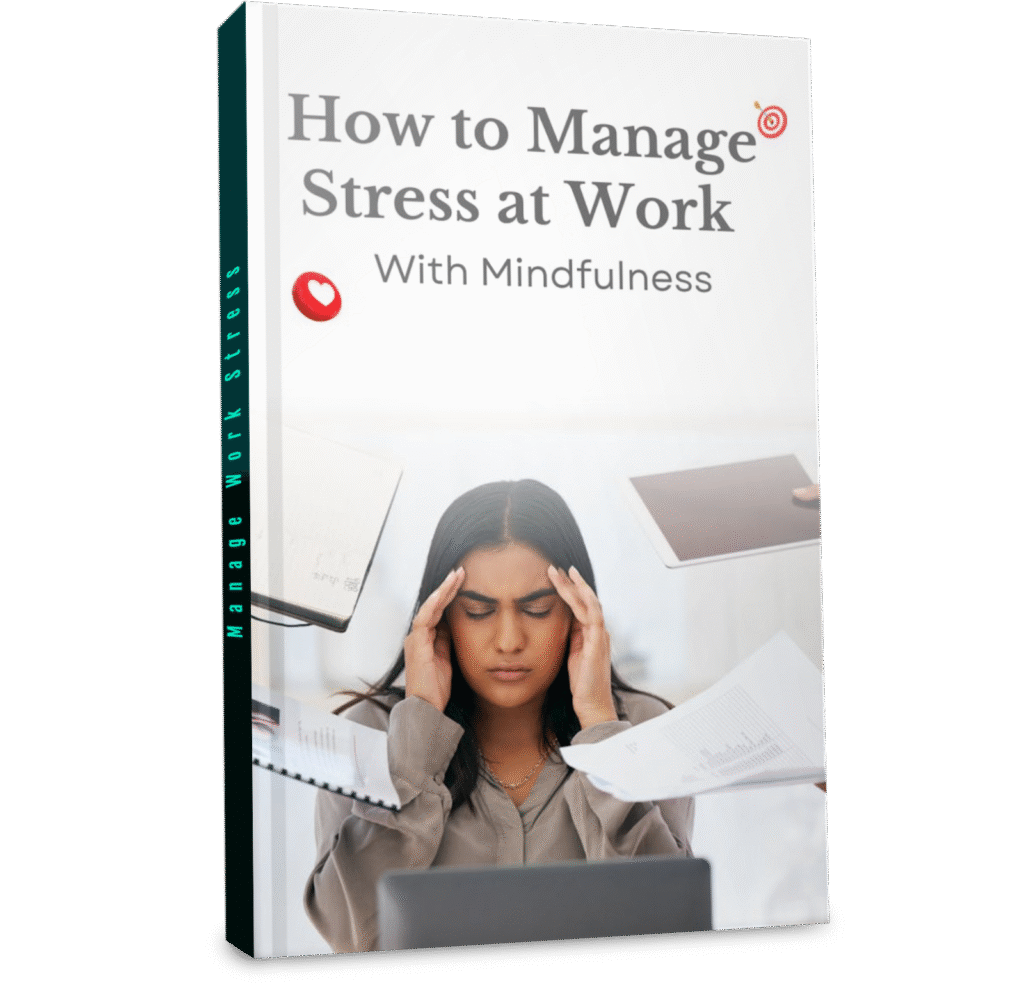
Manage Work Stress
Learn how to reset your mind in minutes no matter how chaotic work gets..
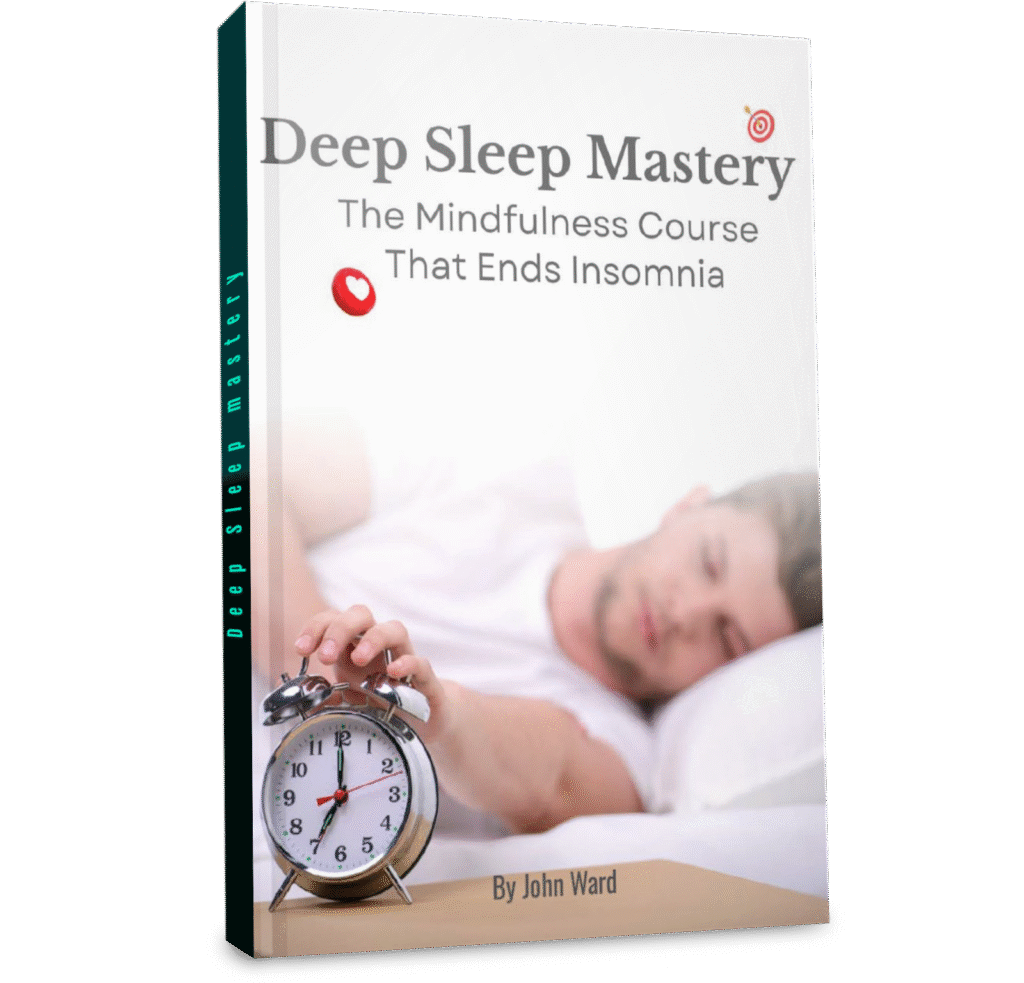
Deep Sleep Mastery
If you’re tired of being tired, this is your step-by-step path to real rest.
Anxiety & Stress Relief
End the stress spiral in 5 minutes or less even on your busiest workday.
© All Rights Reserved. Mindfulness With Me 2025