You are about to initiate on a transformative journey that enhances your mental clarity and emotional well-being through mindfulness meditation. This guide will walk you through simple yet effective steps, helping you develop a consistent meditation practice that reduces stress and promotes inner peace. By learning to focus on the present moment mindfully, you empower yourself to manage anxiety and negative thoughts more effectively. Starting your mindfulness practice correctly is crucial for long-lasting benefits, so this guide provides you with all the foundational knowledge to begin confidently and safely.
Unpacking the Essence of Mindfulness Meditation
Delving deeper into mindfulness meditation, you begin to notice its simplicity paired with profound depth. At its core, mindfulness entails being fully present, observing your thoughts, feelings, and sensations without judgement. This practice doesn’t require altering your environment or engaging in complex rituals; instead, it invites you to cultivate an attentive, curious relationship with the current moment. As you immerse yourself in this process, you start recognising patterns in your reactions and identify habits that may have previously gone unnoticed.
Adopting mindfulness meditation opens up a pathway to enhancing emotional resilience, sharpening your focus, and developing greater autonomy over stress responses. The practice is not about escaping from your experiences but embracing them as they are, offering a chance to transform everyday interactions and inner dialogues. You might discover that these moments of attentive awareness can bring a newfound sense of calmness, even amidst chaos.
Defining Mindfulness: Tracing Its Origins and Transformative Benefits
The term “mindfulness” originates from the Pali word “sati,” which emphasises awareness and presence. Rooted in ancient Buddhist traditions, mindfulness was initially practised as a means to cultivate insight and liberation from suffering. In contemporary settings, it has been secularised and integrated into various therapeutic methods, including Mindfulness-Based Stress Reduction (MBSR) and Cognitive Therapy, broadening its accessibility beyond religious boundaries.
As you engage with mindfulness, you tap into remarkable transformative benefits. Regular practice can enhance your self-awareness, reduce anxiety, and improve emotional regulation. For instance, studies show that participating in an eight-week MBSR course can lower levels of cortisol, the body’s primary stress hormone, by up to 30%. Such physiological changes support the mental clarity and calmness that many practitioners report.
The Science of Mindfulness: What Research Reveals
Scientific inquiry into mindfulness has expanded exponentially over the past two decades, revealing its impact on both brain function and overall well-being. Neuroimaging studies indicate that mindfulness meditation can increase grey matter density in regions associated with learning, memory, and emotional regulation, such as the hippocampus and prefrontal cortex. This suggests that your brain physically adapts as you develop a regular mindfulness habit.
Beyond brain structure, research also highlights mindfulness’s role in modulating the autonomic nervous system, lowering heart rate and blood pressure. These physiological shifts contribute to improved cardiovascular health and resilience to stress. Furthermore, meta-analyses of clinical trials confirm that mindfulness practices can alleviate symptoms of depression, chronic pain, and insomnia, underscoring its broad therapeutic potential.
The extensive body of research also points to sustained benefits when mindfulness is integrated consistently into daily life. For example, a study published in JAMA Internal Medicine found that mindfulness meditation reduced chronic pain intensity by 27%, indicating its effectiveness as a non-pharmacological pain management strategy. Such evidence offers reassurance that the time you invest in mindfulness meditation can lead to tangible, measurable improvements in both mental and physical health.

Setting the Stage for Your Mindfulness Journey
Choosing the right environment and mindset sets a powerful foundation for your mindfulness meditation practice. Selecting a quiet, comfortable space free from interruptions allows your focus to deepen and your mind to settle more naturally. Not every corner of your home will serve this purpose, so observe how different spots influence your concentration and adjust accordingly.
The sensorial elements in your chosen space—lighting, scents, and even the texture of the chair or cushion—can either support or disrupt your relaxation. Soft natural light or the gentle flicker of a candle flame often enhances tranquility, while overpowering colours or cluttered surroundings may fragment your attention. Experimentation with these elements lets you tune the sanctuary to your unique needs, facilitating a richer meditative experience.
Crafting Intentions: The Why Behind Your Practice
Understanding the driving force behind your practise encourages sustained commitment. Perhaps you seek relief from daily stress, a way to deepen self-awareness, or a tool to enhance emotional resilience. Whatever your reason, articulating this intention clearly—even writing it down—anchors your sessions and guides your focus.
Intentions act as a compass during moments when your mind wanders or motivation wanes. For instance, if your goal centres on reducing anxiety, you might gently redirect attention to the calming rhythm of your breath whenever distractions arise. This clarity sharpens the purpose of your meditation, transforming it from a mere routine into a meaningful pursuit that reflects your personal growth.
Designing Your Meditation Sanctuary: Creating a Personal Retreat
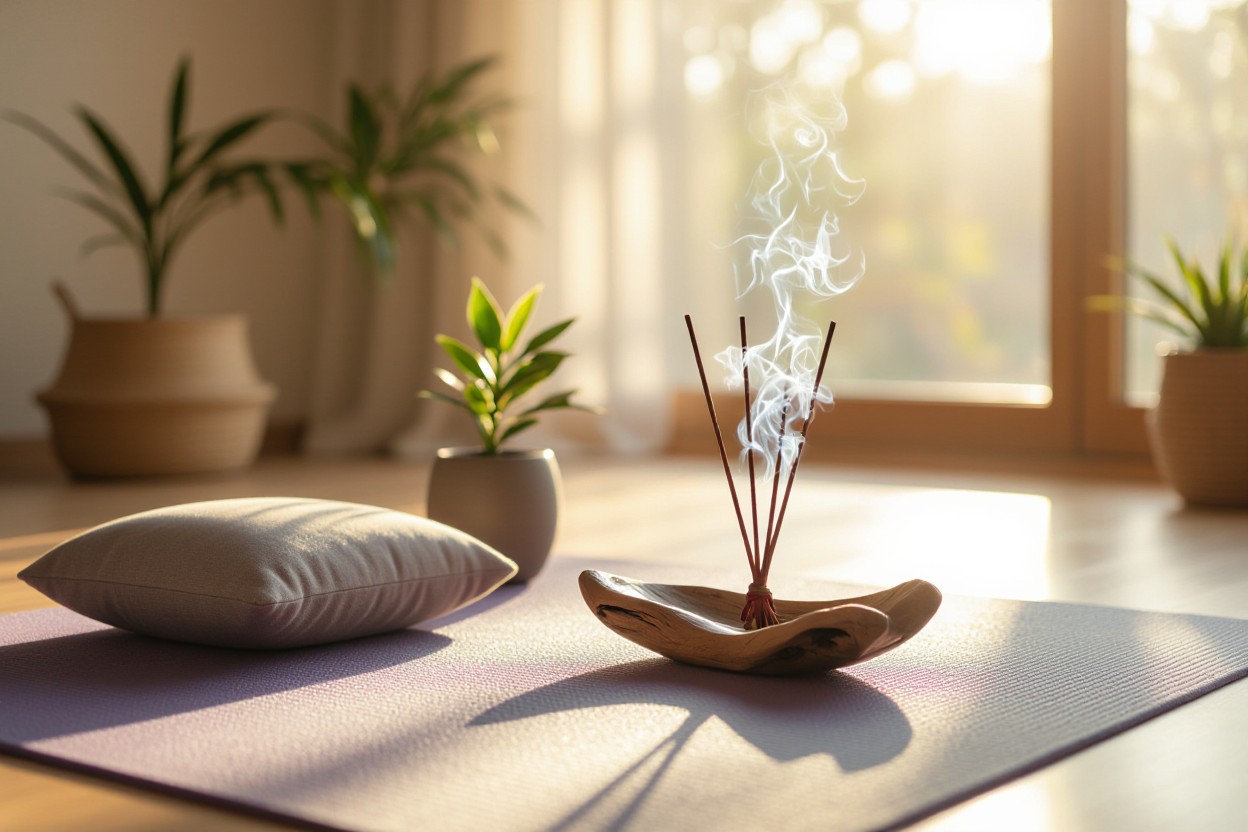
Transforming a segment of your living space into a dedicated meditation sanctuary fosters a profound sense of peace conducive to mindfulness. Opt for a corner with minimal foot traffic where you can position a comfortable cushion or chair. Incorporate elements such as plants or a small water feature to introduce soothing natural sounds and sights, which help to centre your awareness.
Keep the area tidy and free from extraneous items that might distract you. Some practitioners prefer introducing symbolic objects like a meditation bell, crystals, or spiritual icons that hold personal resonance. These can serve as gentle reminders to return your focus inward, enriching the sensory experience and deepening your subconscious association with calm and presence.
The atmosphere in your meditation sanctuary influences the ease with which you enter your practice. Consider light diffusers or necessary oils such as lavender or sandalwood; these scents have been shown to reduce cortisol levels, enhancing relaxation during meditation. Subtle adjustments to temperature and seating comfort also contribute to longer, more enjoyable sessions.
Timing Your Practice: Finding the Perfect Routine
Selecting a consistent time for your meditation embeds the practice into your daily rhythm, increasing the likelihood of it becoming a lifelong habit. Many find that early mornings, when the mind is naturally quieter, offer an ideal window for focus. Others may prefer late evening sessions to unwind and process the day’s events.
Experimenting with different durations and times helps you discover what best suits your lifestyle and physiological rhythms. Even brief sessions of five to ten minutes can yield significant benefits if practiced daily. Tracking patterns in alertness and ease of concentration across times and days assists in tailoring your schedule for maximum effectiveness.
Beyond personal preference, understand that your body’s circadian rhythms can impact the quality of meditation. Engaging in mindful practise around dawn takes advantage of natural increases in cortisol and alertness, making initial focus easier. Conversely, evening sessions might align better with reducing sympathetic nervous activity, promoting relaxation and better sleep quality. Observing these biological cues aids in refining your timing strategy for sustained success.
Essential Techniques for New Meditators
Perfecting Focused Breathing and Engaging Body Scans
Focused breathing serves as the cornerstone of many mindfulness meditation practices. Practising mindful breathing involves tuning into your natural breath without attempting to control its rhythm. This technique enhances your ability to anchor your attention, which is vital during moments when distractions arise. For example, try counting each breath cycle up to ten and then restart, which helps build concentration and awareness. Scientific studies have shown that even a few minutes of focused breathing daily can significantly reduce cortisol levels, the hormone associated with stress.
Body scans complement breath-focused meditation by expanding your awareness beyond the breath to include sensations throughout your body. By methodically directing your attention from your toes to your head, you can identify areas of tension or discomfort that typically go unnoticed. This practice not only deepens relaxation but also cultivates a refined awareness of physical and emotional states, enabling more mindful responses to daily challenges. Research indicates that regular body scanning promotes better sleep and reduced symptoms of anxiety, making it an excellent technique for beginners seeking tangible benefits.
The Power of Guided Meditations: Finding Your Voice
Guided meditations offer a structured pathway into mindfulness practice, especially valuable for beginners who may struggle with silence or staying focused. Listening to an experienced instructor’s voice helps keep your mind anchored through verbal cues and imagery. A variety of themes exist, ranging from stress relief and gratitude to sleep enhancement, providing you with specific benefits tailored to your needs. Popular guided meditation apps often report that users who engage with guided sessions daily experience greater adherence to their practice compared to unguided meditation.
Engaging with guided meditations also encourages you to develop your personalised meditation voice over time. As you become more confident, you might find yourself naturally adopting certain phrases or techniques that resonate most deeply. This evolution enables you to foster a unique meditation style that aligns with your personality and lifestyle. Practitioners who transition from guided meditations to unguided sessions commonly report increased self-awareness and emotional resilience.
To strengthen your practice through guided meditation, experiment with different instructors and styles. For instance, some meditators respond well to calming, gentle voices, while others prefer more direct, motivational guidance. Finding the right match can enhance your engagement and effectiveness. Additionally, consider integrating shorter sessions initially—around 5 to 10 minutes—to build consistency before extending your practice sessions.
Seamlessly Weaving Mindfulness into Everyday Life
Mindfulness need not be confined to quiet moments on a meditation cushion; it thrives when effortlessly integrated throughout your daily routine. Imagine transforming routine tasks—washing dishes, walking to work, or even waiting at a bus stop—into opportunities to anchor your attention to the present moment. This continual practice not only reinforces your meditation sessions but also deepens your awareness of everyday experiences.
Introducing mindfulness in small, manageable ways cultivates a sturdy foundation for sustained practice. For example, beginning your day with a brief intention-setting exercise or concluding it with a moment of reflection can weave mindfulness naturally into your schedule. These incremental steps create a mosaic of mindful living that complements formal meditation, enhancing your overall sense of calm and presence.
Cultivating Consistency: Establishing a Routine
Setting a consistent time and place for your mindfulness practice greatly enhances your commitment. Research indicates that meditating at the same time each day, such as first thing in the morning or right before bed, can build a habit that becomes almost automatic within six to eight weeks. Choosing a quiet corner free from distractions aids concentration and signals to your mind that it’s time to focus inward.
Employing reminders or pairing your meditation with existing habits can further cement your routine. For instance, you might meditate immediately after brushing your teeth or alongside your morning coffee. This technique, often called habit stacking, exploits your brain’s existing neural pathways, making mindfulness practice easier to maintain amidst the bustle of daily life.
Mindful Moments: Incorporating Practice into Daily Activities
You can transform mundane activities into rich grounds for mindfulness by bringing full attention to sensory details and bodily sensations. While eating, notice flavours, textures, and aromas without rushing. During conversations, listen deeply without planning your response, focusing solely on the speaker’s words and non-verbal cues.
Using brief pauses throughout the day to tune into your breath or body posture also reinforces mindfulness. A simple exercise could be taking three intentional breaths before opening an email or entering a meeting, which can reduce stress and enhance clarity. These mini-practices encourage continuous engagement with the present, strengthening your overall mindfulness muscle.
Such integration also builds awareness of habitual mind-wandering and automatic reactions. By catching yourself drifting into distraction during routine tasks, you invite gentle redirection back to the present moment, cultivating patience and self-compassion—a cornerstone of mindful living.
Breaking Through Barriers: Navigating Early Obstacles
Encountering challenges like restlessness, skepticism, or impatience during initial mindfulness practice is a common experience. These obstacles often arise because the mind resists stillness or craves immediate results. Rather than viewing these difficulties as failures, recognise them as signs of your mind’s natural tendencies, providing valuable data for deepening your understanding.
Regularly journaling about your practice experiences can help identify specific patterns or triggers that disrupt focus. For example, noting that restlessness peaks after long workdays might suggest adapting your practice timing or using guided meditations focused on relaxation. Leveraging technology, such as meditation apps with incremental difficulty levels, can also provide support tailored to your needs, smoothing your progression.
Addressing these early challenges with patience and strategic adjustments enhances resilience, ensuring that temporary setbacks don’t diminish your enthusiasm or momentum in cultivating mindfulness.

Overcoming Common Pitfalls and Sustaining Your Journey
Conquering Distractions: Tips for Centreing Your Mind
Distractions are an inevitable part of starting your mindfulness meditation practice. Your brain is wired to notice new or urgent stimuli, which can derail your focus. A powerful technique involves gently acknowledging each distraction without judgement, then softly guiding your attention back to your breath or chosen anchor. For example, if a sudden noise pulls your mind away, label it as “hearing” and redirect your awareness to bodily sensations or breathing rhythm. This acknowledgment reduces frustration and strengthens your ability to centre your mind over time.
Establishing a dedicated meditation space free from electronic devices and external interruptions also aids in maintaining focus. Consider creating a brief ritual before each session, like lighting a candle or setting a timer, to mentally prepare and signal your mind that it’s time for practice. Additionally, practising mindfulness outside of formal sessions — such as during walks or daily chores — supports a continual strengthening of your attention muscles. The consistent application of these strategies transforms challenges into opportunities for deeper mindfulness meditation.
Embracing Discomfort: Navigating Emotional and Physical Challenges
Experiencing discomfort is a common hurdle that often surprises beginners. You might encounter physical sensations such as stiffness or restlessness, especially during longer sessions. It might also trigger unexpected emotions like anxiety or sadness, which can feel overwhelming. Instead of resisting these feelings, learn to approach them with curiosity and openness, recognising them as natural responses rather than obstacles. Doing so you broaden your emotional intelligence and resilience, allowing your practice to move beyond surface-level calm into profound self-understanding.
Physical discomfort can often be mitigated by making adjustments such as altering your sitting posture or using props like cushions for support. Paying attention to the quality and depth of your breath can also help soothe tension. Similarly, when emotional waves arise, try to observe them without clinging or pushing away; visualising these feelings passing like clouds can be particularly effective. The integration of a gentle, non-judgmental attitude towards both body and mind challenges ultimately enhances your ability to sustain a long-term mindfulness meditation journey.
Further exploring the art of embracing discomfort involves recognising that the initial unease you experience is part of the transformative process. Neuroscientific studies have shown that meditation can rewire brain circuits related to pain and emotional regulation, but these changes require regular exposure to uncomfortable sensations and feelings during practice. Over time, moments of tension provide invaluable feedback, encouraging you to develop patience and acceptance. This deliberate engagement with discomfort will deepen your connection to the present moment, building the foundation for enduring mental clarity and emotional stability.
Summing up
Hence, beginning mindfulness meditation is a practical and accessible way for you to cultivate greater awareness and calm in your daily life. By setting aside even a few minutes each day to focus on your breathing and observe your thoughts without judgement, you create a foundation for improved mental clarity and emotional balance. Mindfulness is not about achieving perfection but about developing a gentle curiosity towards your own experiences, allowing you to respond to stress with greater ease.
As you launch on this journey, it is important that you approach your practice with patience and consistency. The benefits of mindfulness meditation grow over time, and your commitment will help you build resilience and a deeper connection with the present moment. By making mindfulness a part of your routine, you empower yourself to navigate life’s challenges with a centred and composed mindset.
FAQ
Q: What is mindfulness meditation, and how does it benefit beginners?
A: Mindfulness meditation is a practice that involves paying deliberate attention to the present moment without judgement. For beginners, it helps improve focus, reduce stress, and foster greater emotional awareness. Starting this practice can lead to enhanced mental clarity and a calmer state of mind over time.
Q: How much time should I dedicate daily when starting mindfulness meditation?
A: Beginners are encouraged to start with short sessions, such as 5 to 10 minutes per day. As comfort with the practice grows, the duration can be gradually extended. Consistency is more valuable than length initially, helping to build a sustainable routine.
Q: Where is the best place to practice mindfulness meditation as a beginner?
A: Choose a quiet and comfortable environment where interruptions are minimal. This could be a cosy corner in your home or a peaceful outdoor space. The setting should encourage relaxation and focus, making it easier to engage fully with the practice.
Q: What techniques should I use to focus during mindfulness meditation?
A: A common technique is to concentrate on your breath, observing each inhale and exhale. If the mind wanders, gently bring attention back to the breath without self-criticism. Other methods include body scan meditations or focusing on ambient sounds, depending on what feels most natural.
Q: How can I deal with distractions or a restless mind during mindfulness meditation?
A: Distractions are a normal part of meditation, especially for beginners. When your mind wanders, gently acknowledge the distraction and guide your focus back to your point of attention, such as the breath. Practising patience and kindness towards yourself helps cultivate a steady and calm mind over time.